Embark on the journey of Salesforce Lightning Migration with the crucial support of a certified consulting partner. This article delves into the key aspects of why partnering with experts is essential for a seamless transition to the Lightning platform.
Factors to Consider Before Salesforce Lightning Migration
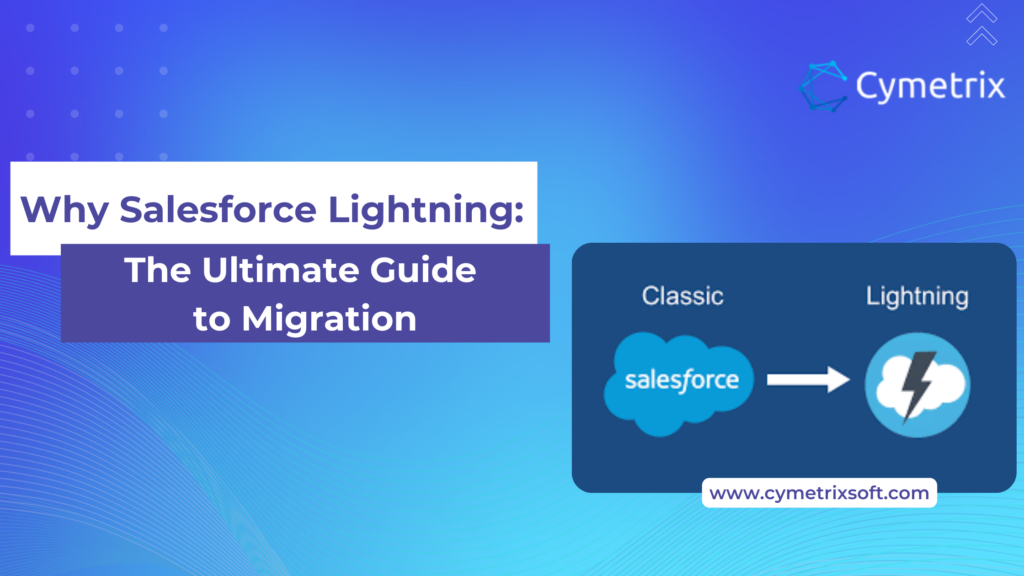 When planning a Salesforce Lightning migration, there are several factors that organizations need to consider to ensure a smooth transition and maximize the benefits of the new platform.
Key Differences between Salesforce Classic and Lightning
- Salesforce Lightning offers a more modern and intuitive user interface compared to the Classic version.
- Lightning provides enhanced customization options, including drag-and-drop functionality for building pages and components.
- Integration with third-party apps and tools is more seamless in Salesforce Lightning.
Benefits of Migrating to Salesforce Lightning
- Improved user experience and productivity due to the streamlined interface and customizable dashboards.
- Enhanced reporting and analytics capabilities for better decision-making.
- Increased automation through Lightning Process Builder and Flow Builder.
Challenges Organizations May Face During the Migration Process
- Data migration can be complex and time-consuming, especially when moving large volumes of data from Classic to Lightning.
- User training and adoption are crucial to ensure that employees are comfortable with the new interface and features.
- Customizations in Classic may need to be re-evaluated and rebuilt in Lightning, which can require additional resources and expertise.
Importance of a Certified Consulting Partner
 Certified Salesforce consulting partners play a crucial role in ensuring a successful migration to Salesforce Lightning. These partners are equipped with the necessary expertise and knowledge to guide organizations through the migration process seamlessly.
 Role of a Certified Partner
Certified consulting partners act as trusted advisors, helping organizations assess their current systems, identify areas for improvement, and develop a customized migration plan. They have a deep understanding of Salesforce products and best practices, ensuring that the migration is carried out efficiently and effectively.Services Offered by Certified Partners
- Customized Migration Strategy: Certified partners work closely with organizations to develop a migration strategy tailored to their specific needs and goals.
- Training and Support: They provide training to employees to ensure a smooth transition to Salesforce Lightning and offer ongoing support post-migration.
- Data Migration: Certified partners assist in migrating data from legacy systems to Salesforce Lightning, ensuring data integrity and accuracy.
- Custom Development: They can develop custom solutions to meet unique business requirements and enhance the functionality of Salesforce Lightning.
Streamlining the Migration Process
Certified consulting partners streamline the migration process by leveraging their expertise and experience. They help organizations avoid common pitfalls, minimize downtime, and maximize the benefits of Salesforce Lightning. By providing guidance every step of the way, certified partners ensure a successful migration that meets the organization's objectives.Evaluating Potential Consulting Partners
When considering a Salesforce Lightning migration, choosing the right consulting partner is crucial for the success of the projectCriteria for Selecting the Right Consulting Partner
- Experience and Expertise: Look for a consulting partner with a proven track record in Salesforce implementations, specifically in Lightning migration projects.
- Certifications: Ensure that the consulting partner holds relevant Salesforce certifications, especially pertaining to Lightning.
- Client References: Request and review client testimonials or case studies to gauge the partner's reputation and past performance.
- Communication and Support: Evaluate the partner's communication style, responsiveness, and level of support throughout the engagement.
- Customization Capabilities: Assess the partner's ability to tailor solutions to meet your specific business requirements.
Advantages of Choosing a Certified Partner Over a Non-Certified One
A certified consulting partner brings a higher level of expertise, knowledge, and credibility to the table. Their certification demonstrates a deep understanding of the Salesforce platform and its latest features, ensuring a smoother migration process.
Tips on Assessing the Expertise and Experience of Consulting Partners
- Review Their Portfolio: Examine the partner's portfolio to see if they have successfully completed similar Lightning migration projects in the past.
- Ask About Training and Continuous Education: Inquire about the partner's commitment to ongoing training and education to stay updated on the latest Salesforce developments.
- Discuss Project Management Approach: Understand how the partner plans to manage the migration project, including timelines, milestones, and communication channels.
- Evaluate Team Composition: Assess the expertise and roles of the team members who will be involved in the migration to ensure they have the necessary skills and experience.
Best Practices for Successful Salesforce Lightning Migration
When it comes to migrating to Salesforce Lightning, following best practices can ensure a smooth transition and maximize the benefits of the new platform. From planning the migration strategy to user training and data migration considerations, each step plays a crucial role in the success of the migration process.Planning a Migration Strategy
- Assess current system: Conduct a thorough evaluation of your existing Salesforce setup to identify areas that need improvement or customization.
- Set objectives: Clearly define the goals and objectives you want to achieve with the migration to Salesforce Lightning.
- Create a timeline: Develop a detailed timeline with milestones and deadlines to keep the migration process on track.
- Allocate resources: Ensure you have the necessary resources, including budget, staff, and technology, to support the migration.
User Training and Adoption
- Provide training sessions: Offer comprehensive training sessions to familiarize users with the new features and functionalities of Salesforce Lightning.
- Encourage adoption: Create a culture of adoption by highlighting the benefits of Salesforce Lightning and addressing any user concerns or challenges.
- Offer ongoing support: Provide continuous support to users post-migration to address any issues or questions that may arise.
Data Migration Considerations
- Cleanse data: Ensure data accuracy by cleaning and deduplicating records before the migration process.
- Map data fields: Map data fields from the existing system to Salesforce Lightning to ensure a seamless transition of information.
- Test data migration: Conduct thorough testing of data migration processes to identify and address any issues before the actual migration.
Epilogue
In conclusion, navigating the realm of Salesforce Lightning Migration necessitates the expertise of a certified consulting partner. By understanding the significance of this collaboration, organizations can optimize their migration process and unlock the full potential of Salesforce Lightning.
FAQ Resource
What are the key differences between Salesforce Classic and Lightning?
The main differences lie in the user interface design, features, and performance enhancements of Lightning compared to Classic.
How can a certified partner streamline the migration process?
Certified partners bring expertise and experience to efficiently handle the complexities of migration, ensuring a smooth transition.
What criteria should be considered when selecting the right consulting partner?
Factors such as expertise, experience, past projects, and client testimonials are crucial in choosing the right consulting partner.