In the realm of software development, the impact of DevOps consulting services on accelerating software deployment cycles is undeniable. This introduction sets the stage for a deep dive into how organizations can optimize their deployment processes with the help of DevOps experts.
Overview of DevOps Consulting Services
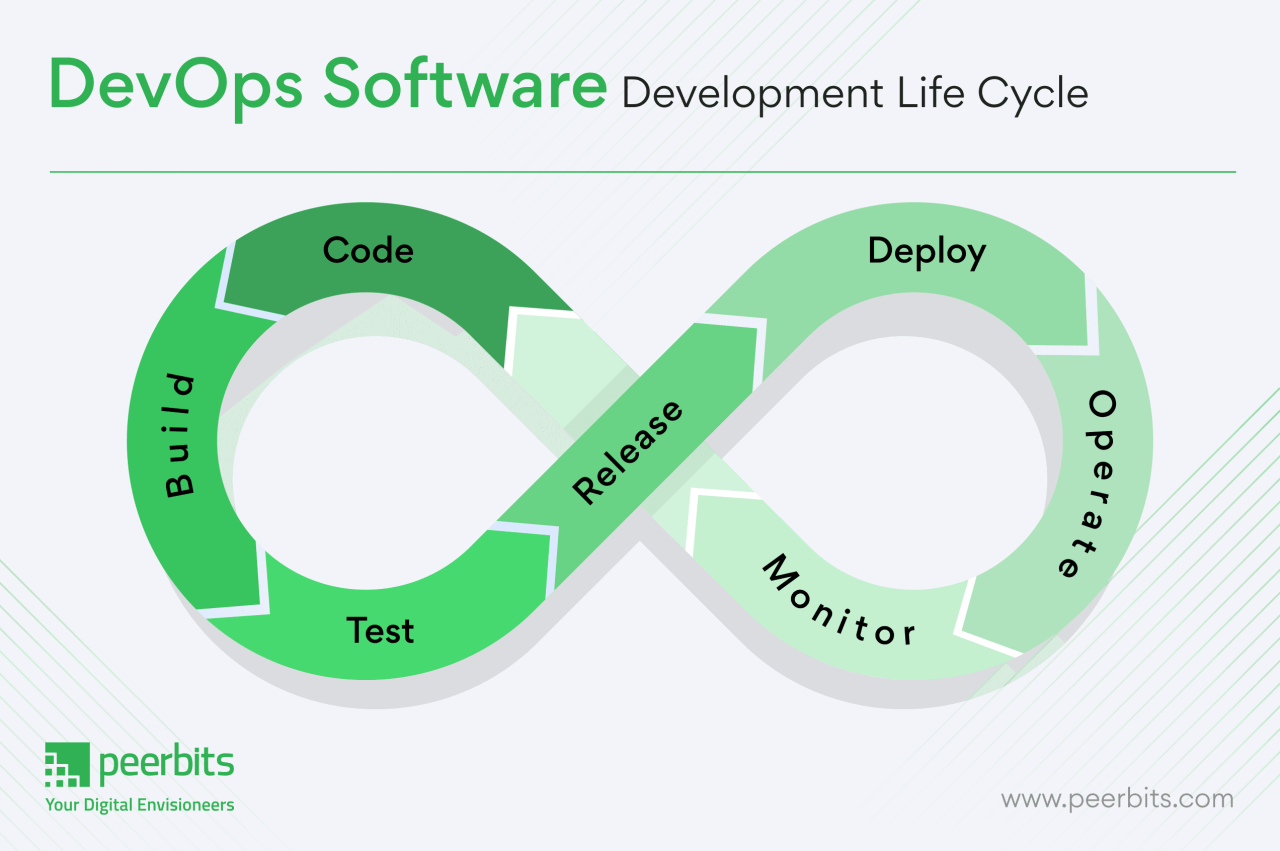 DevOps consulting services play a crucial role in streamlining and optimizing the software development process for organizations. By combining development and operations teams, DevOps consultants help companies implement automation, collaboration, and continuous integration practices to accelerate software deployment cycles.
Benefits of DevOps Consulting Services
- Improved collaboration between development and operations teams
- Increased automation of manual processes
- Enhanced quality of software releases
- Reduced deployment times and increased deployment frequency
Examples of Companies Benefiting from DevOps Consulting
Company A: By implementing DevOps practices with the help of consultants, Company A reduced their deployment times by 50% and increased their deployment frequency from once a month to multiple times a week.
Company B: With the guidance of DevOps consultants, Company B saw a significant improvement in collaboration between their development and operations teams, leading to faster resolution of issues and higher quality software releases.
Core Benefits of DevOps Consulting
DevOps consulting services offer a range of benefits that significantly accelerate software deployment cycles and enhance overall project efficiency. By leveraging the expertise of DevOps consultants, organizations can streamline their development processes, improve collaboration between teams, and achieve faster time-to-market for their products.Efficiency Gains through DevOps Consulting
- Automation of manual tasks: DevOps consulting helps in automating repetitive tasks, reducing human error, and increasing productivity.
- Continuous integration and deployment: DevOps practices enable continuous integration and deployment, ensuring faster delivery of software updates and enhancements.
- Improved communication and collaboration: DevOps consultants promote better communication and collaboration between development, operations, and quality assurance teams, leading to smoother workflows and quicker problem resolution.
Impact on Project Timelines and Quality
- Shortened development cycles: With DevOps consulting, organizations can shorten their development cycles, allowing them to respond quickly to market demands and stay ahead of competitors.
- Enhanced software quality: DevOps practices focus on continuous testing and feedback, resulting in higher-quality software releases with fewer defects.
- Increased scalability and flexibility: DevOps consulting helps organizations build scalable and flexible infrastructure, allowing them to adapt to changing business needs and handle increased workloads efficiently.
Implementation Strategies
Implementing DevOps consulting services involves key strategies to streamline software deployment processes and maximize efficiency. By leveraging a combination of practices, tools, and technologies, DevOps consultants can help organizations achieve faster and more reliable software deployment cycles.Continuous Integration and Continuous Deployment (CI/CD)
- DevOps consultants often focus on implementing CI/CD pipelines to automate the build, test, and deployment processes.
- Tools like Jenkins, GitLab CI/CD, and CircleCI are commonly used to enable continuous integration and continuous deployment.
- By automating these processes, teams can reduce manual errors and accelerate the delivery of software updates.
Infrastructure as Code (IaC)
- DevOps consultants advocate for the use of infrastructure as code to manage and provision infrastructure through code rather than manual processes.
- Tools like Terraform and Ansible are utilized to define infrastructure configurations in code, enabling reproducibility and scalability.
- By treating infrastructure as code, organizations can achieve consistency, reduce configuration drift, and improve deployment reliability.
Microservices Architecture
- DevOps consultants promote the adoption of microservices architecture to break down monolithic applications into smaller, independently deployable services.
- Technologies like Kubernetes and Docker are commonly employed to orchestrate and containerize microservices, facilitating scalability and resilience.
- By embracing microservices, organizations can achieve agility, improve fault isolation, and enable faster deployment of software features.
Case Studies and Success Stories
 In the world of software development, real-life examples of successful transformations through DevOps consulting services can provide valuable insights into the impact of implementing DevOps practices. These case studies showcase how organizations have overcome challenges and achieved significant improvements in their software deployment cycles.
Case Study 1: Company X
Company X, a mid-sized tech firm, was struggling with long deployment cycles and frequent errors in their software releases. By partnering with a DevOps consulting service, they were able to streamline their development processes and automate key tasks. This led to a drastic reduction in deployment times, from weeks to just a few hours. The team also saw a significant decrease in the number of deployment-related issues, resulting in improved overall software quality.
Case Study 2: Startup Y
Startup Y, a new player in the market, faced challenges in scaling their operations due to manual deployment processes and lack of coordination between development and operations teams. With the help of DevOps consulting, they implemented continuous integration and delivery practices, enabling them to release new features to their customers rapidly. This shift not only accelerated their deployment cycles but also improved collaboration between teams, leading to higher productivity and faster time-to-market.
Challenges Faced and Overcoming Them
- Resistance to Change: Some team members at both Company X and Startup Y initially resisted the adoption of DevOps practices due to fear of job redundancy or unfamiliarity with new tools. However, through effective communication and training programs, these concerns were addressed, and team members were able to see the benefits of DevOps in action.
- Integration Issues: Integrating existing systems with new DevOps tools posed a challenge for both organizations. By working closely with the consulting team and gradually implementing changes, they were able to overcome integration issues and create a cohesive development environment.
- Cultural Shift: Shifting to a DevOps culture required a change in mindset and work practices. Company X and Startup Y had to invest in cultural transformation programs to foster collaboration, trust, and innovation within their teams. Over time, this cultural shift proved to be instrumental in sustaining the improvements brought about by DevOps consulting.
Epilogue
As we conclude this discussion on How DevOps Consulting Services Accelerate Software Deployment Cycles, it becomes evident that the integration of DevOps practices can lead to significant efficiency gains and improved project timelines. The journey towards streamlining software deployment is indeed a transformative one, with success stories paving the way for future advancements in the field.
Essential FAQs
How can DevOps consulting services benefit organizations?
DevOps consulting services help organizations optimize their software deployment processes, leading to increased efficiency and improved project timelines.
What are some common challenges faced during the implementation of DevOps consulting services?
Challenges may include resistance to change, integration issues with existing systems, and the need for cultural transformation within the organization.