Embarking on the journey of Cloud Migration Security: The Role of a DevOps Consulting Specialist, we delve into a realm where expertise meets innovation, ensuring the safeguarding of data in the digital landscape.
Exploring the intricacies of cloud migration security and the pivotal role played by DevOps consulting specialists, this narrative unfolds to shed light on best practices and tools vital for a secure transition.
Overview of Cloud Migration Security
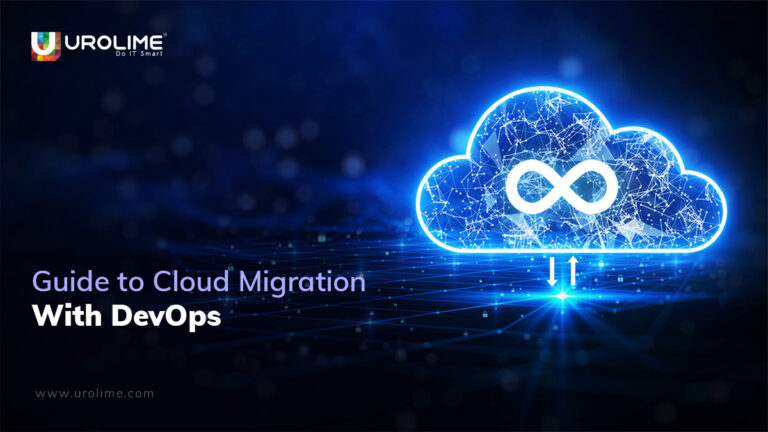 Cloud migration security refers to the measures and protocols put in place to protect data and applications during the process of moving them from on-premises infrastructure to the cloud. It is essential to ensure that sensitive information remains secure and confidential throughout the migration process.
Potential Security Risks During Cloud Migration
- Data Breaches: Unauthorized access to sensitive data during migration can lead to data breaches and compromise confidentiality.
- Misconfiguration: Improperly configured cloud settings can result in security vulnerabilities that attackers can exploit.
- Compliance Violations: Failure to comply with regulatory requirements during migration can result in legal consequences and financial penalties.
- Loss of Data: Data loss can occur due to errors during the migration process, leading to significant business impact.
The Importance of Ensuring Security in Cloud Migration Processes
- Protection of Sensitive Data: Security measures help safeguard sensitive information from unauthorized access and data breaches.
- Business Continuity: Ensuring security during migration minimizes the risk of disruptions to business operations due to security incidents.
- Reputation Management: Maintaining security during migration builds trust with customers and partners, enhancing the organization's reputation.
- Cost Savings: Preventing security incidents during migration helps avoid costly repercussions such as data loss or regulatory fines.
Role of a DevOps Consulting Specialist
DevOps consulting specialists play a crucial role in ensuring the security of cloud migration processes. They are experts who bridge the gap between development and operations teams, focusing on collaboration, communication, and automation to streamline the migration process while prioritizing security.Responsibilities of a DevOps Consulting Specialist
- Assessing the current security posture: DevOps consulting specialists evaluate the existing security measures in place and identify potential vulnerabilities that need to be addressed before migrating to the cloud.
- Developing secure migration strategies: These specialists work closely with teams to create detailed migration plans that prioritize security at every step of the process, ensuring that data remains protected throughout.
- Implementing security best practices: By leveraging their expertise in security protocols and tools, DevOps consulting specialists help implement best practices to secure the cloud environment and prevent data breaches.
- Monitoring and optimizing security measures: Continuously monitoring the security of the cloud environment post-migration, these specialists make necessary adjustments to optimize security measures and prevent any potential threats.
Adding Value to Cloud Migration Security
- Automating security processes: DevOps consulting specialists automate security checks and measures within the migration pipeline, reducing human error and ensuring consistent security controls.
- Integrating security into the development cycle: By embedding security practices into the development process, these specialists ensure that security is not an afterthought but a core component of the overall cloud migration strategy.
- Providing expertise and guidance: DevOps consulting specialists offer their knowledge and guidance to teams throughout the migration process, helping them navigate security challenges and make informed decisions to protect sensitive data.
Best Practices for Securing Cloud Migration
When it comes to securing cloud migration, following best practices is crucial to ensure the safety and integrity of your data. Experts recommend a set of guidelines to mitigate risks and maintain a secure environment throughout the migration process.
Implement Multi-Factor Authentication (MFA)
- Require users to go through an additional layer of security beyond just a password.
- Utilize factors such as SMS codes, biometrics, or hardware tokens to enhance security.
Enabling MFA can significantly reduce the risk of unauthorized access to your cloud resources.
Encrypt Data in Transit and at Rest
- Use encryption protocols like SSL/TLS for data transmitted between servers.
- Encrypt sensitive data stored in the cloud to protect it from unauthorized access.
Encryption adds a layer of protection to your data, making it unreadable to anyone without the decryption key.
Regularly Update and Patch Systems
- Keep all systems, applications, and software up to date with the latest security patches.
- Regularly scan for vulnerabilities and address them promptly to prevent exploitation.
Outdated systems are more susceptible to attacks, so staying current is essential for maintaining a secure environment.
Monitor and Audit User Activity
- Implement logging and monitoring tools to track user activity and detect any suspicious behavior.
- Regularly review audit logs to identify any unauthorized access or unusual patterns.
Monitoring user activity can help you quickly identify and respond to potential security threats.
Tools and Technologies for Securing Cloud Migration
 In the realm of cloud migration security, leveraging the right tools and technologies is crucial to ensure a robust and protected environment. These tools play a vital role in detecting threats, managing access controls, and monitoring the overall security posture of cloud migration initiatives.
Key Security Tools for DevOps Specialists
- Cloud Access Security Brokers (CASBs): CASBs function as gatekeepers between on-premises infrastructure and cloud services, providing visibility and control over data in the cloud.
- Security Information and Event Management (SIEM) Systems: SIEM solutions help in collecting, correlating, and analyzing security data from various sources to detect and respond to security incidents.
- Vulnerability Scanning Tools: These tools scan cloud environments for weaknesses or vulnerabilities that could be exploited by malicious actors.
- Identity and Access Management (IAM) Solutions: IAM tools manage user identities, roles, and permissions to ensure that only authorized users have access to resources.
Enhancing Security with Specific Tools
One example of how specific tools enhance the security posture of cloud migration initiatives is through the use of CASBs. By providing visibility into cloud services and enforcing security policies, CASBs help organizations prevent unauthorized access, data leaks, and other security risks associated with cloud migrations.
Ultimate Conclusion
In conclusion, Cloud Migration Security: The Role of a DevOps Consulting Specialist encapsulates the essence of proactive measures, expertise, and technological tools essential for safeguarding data integrity during migration processes in the digital sphere. As technology evolves, so does the need for stringent security protocols, making the role of DevOps specialists indispensable in the realm of cloud migration.
Popular Questions
What are the common security risks during cloud migration?
Common security risks include data breaches, unauthorized access, misconfigurations, and insecure APIs. It's crucial to address these risks proactively during the migration process.
How does a DevOps consulting specialist enhance security in cloud migration projects?
DevOps specialists ensure security by implementing best practices, monitoring systems for vulnerabilities, and integrating security measures into every stage of the migration process. Their expertise adds a layer of protection to the overall security posture.
Which tools are commonly used for securing cloud migration?
Tools like encryption services, vulnerability scanners, identity management systems, and security automation tools are commonly used to enhance security during cloud migration. These tools help in detecting and mitigating potential threats.