Automation at Scale: Transforming Business with DevOps Infrastructure Consulting sets the stage for this enthralling narrative, offering readers a glimpse into a story that is rich in detail and brimming with originality from the outset.
The discussion delves into the concept of DevOps Infrastructure Consulting, the importance of automation in business operations, best practices, and measuring success in DevOps implementations.
Introduction to DevOps Infrastructure Consulting
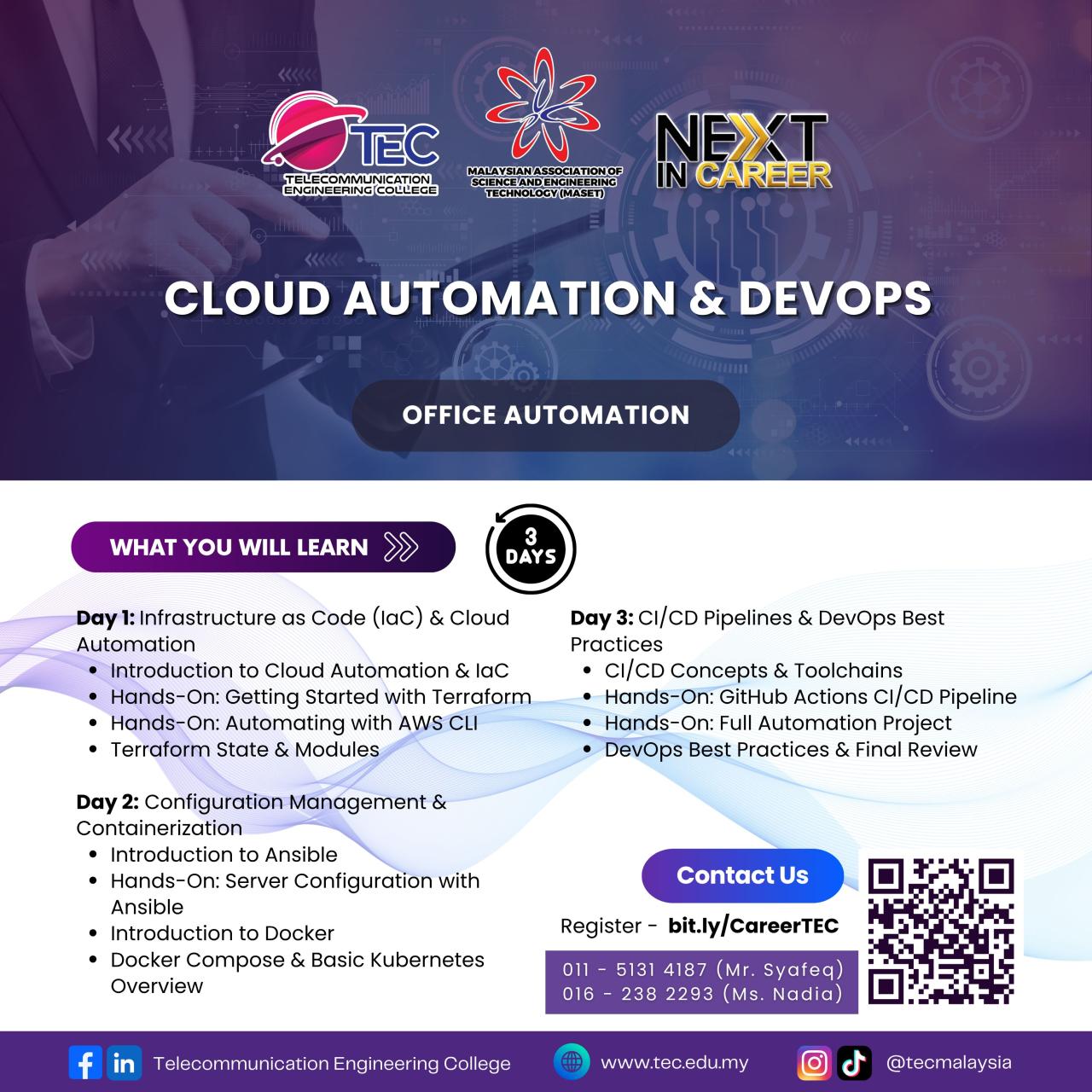
DevOps Infrastructure Consulting involves providing expert guidance and support to organizations looking to streamline their infrastructure management processes through the adoption of DevOps practices.
Implementing DevOps practices in businesses is significant as it helps improve collaboration between development and operations teams, automate repetitive tasks, increase deployment frequency, and enhance overall efficiency and reliability of software delivery.
Benefits of DevOps Infrastructure Consulting
- Accelerated Delivery: DevOps Infrastructure Consulting helps organizations shorten the development cycle and deliver applications and updates faster to meet market demands.
- Improved Collaboration: By breaking down silos between development and operations teams, DevOps Infrastructure Consulting fosters better communication and collaboration, leading to more efficient workflows.
- Enhanced Quality: Implementing DevOps practices ensures continuous testing and monitoring, resulting in higher quality software releases with fewer defects.
- Cost Savings: DevOps Infrastructure Consulting can help organizations optimize resources, reduce infrastructure costs, and minimize downtime, ultimately saving money in the long run.
Implementing Automation at Scale
Automation plays a crucial role in scaling business operations, especially in the realm of DevOps Infrastructure Consulting. By automating repetitive tasks and workflows, organizations can achieve greater efficiency, consistency, and productivity.Streamlining Processes for Efficiency and Productivity
Automation streamlines processes by eliminating manual intervention and reducing the potential for human error. Tasks such as provisioning servers, deploying code, and running tests can be automated to ensure they are executed consistently and quickly. This not only saves time but also frees up resources to focus on more strategic initiatives.- Automation tools like Ansible, Puppet, and Chef are commonly used in DevOps Infrastructure Consulting to automate configuration management tasks. These tools allow teams to define infrastructure as code, making it easier to manage and scale infrastructure.
- Continuous Integration/Continuous Deployment (CI/CD) pipelines, enabled by tools like Jenkins, GitLab CI/CD, and CircleCI, automate the build, test, and deployment processes, ensuring faster delivery of software updates.
- Monitoring and alerting tools such as Nagios, Prometheus, and ELK stack can automate the detection of issues in real-time, enabling teams to respond proactively and maintain system reliability.
DevOps Infrastructure Consulting Best Practices
Implementing DevOps Infrastructure Consulting involves following key best practices to ensure successful integration of automation into existing infrastructure and overcoming challenges when scaling automation in a business environment.Integrating Automation Seamlessly
To seamlessly integrate automation into existing infrastructure, it is essential to:- Start with a thorough assessment of the current infrastructure to identify areas that can benefit most from automation.
- Collaborate closely with IT teams to ensure alignment with business objectives and establish clear automation goals.
- Leverage tools and technologies that are compatible with the existing infrastructure to minimize disruptions and maximize efficiency.
- Implement automation gradually, starting with smaller tasks to build confidence and gradually scaling up to more complex processes.
Overcoming Challenges in Scaling Automation
When scaling automation in a business environment, consider the following tips to overcome challenges:- Establish a robust testing framework to ensure the reliability and accuracy of automated processes.
- Provide comprehensive training to employees to enhance their skills and knowledge in utilizing automated tools effectively.
- Regularly review and optimize automated workflows to adapt to changing business requirements and improve efficiency.
- Maintain open communication channels between IT teams, stakeholders, and business leaders to address any issues or concerns promptly.
Measuring Success in DevOps Infrastructure Consulting
Measuring success in DevOps Infrastructure Consulting is crucial for businesses looking to optimize their processes and drive continuous improvement. By tracking the right metrics and key performance indicators (KPIs), organizations can assess the impact of their DevOps implementations and make informed decisions to enhance efficiency and productivity.Metrics and KPIs for Success Measurement
- Deployment Frequency: This metric measures how often code is deployed to production. A higher deployment frequency indicates faster delivery cycles and increased agility.
- Lead Time for Changes: The time taken from code commit to deployment in production reflects the efficiency of the development and deployment processes.
- Mean Time to Recovery (MTTR): MTTR indicates how quickly teams can recover from incidents or failures, highlighting the resilience of the infrastructure.
- Change Failure Rate: This metric tracks the percentage of changes that result in failures, helping teams identify areas for improvement in their processes.
Importance of Performance Tracking
Tracking performance metrics is essential for optimizing processes and ensuring that DevOps implementations are driving desired outcomes. By monitoring key metrics, organizations can identify bottlenecks, inefficiencies, and areas for improvement, enabling them to make data-driven decisions and continuously refine their infrastructure.
Examples of Successful DevOps Infrastructure Consulting Projects
| Client | Outcome |
|---|---|
| Company X | Reduced deployment time by 50% and increased deployment frequency by 40%. |
| Organization Y | Decreased MTTR by 60% through improved incident response processes. |
Conclusive Thoughts
In conclusion, Automation at Scale: Transforming Business with DevOps Infrastructure Consulting highlights the pivotal role of automation in revolutionizing business processes and enhancing productivity. It encapsulates the essence of modern business transformation through streamlined operations and optimized performance.
Common Queries
What are some key best practices for implementing DevOps Infrastructure Consulting?
Key best practices include fostering collaboration between development and operations teams, implementing continuous integration and delivery, and using monitoring tools for real-time feedback.
How can automation streamline processes for efficiency and productivity?
Automation reduces manual tasks, minimizes errors, accelerates task completion, and allows resources to focus on strategic initiatives, thereby improving overall efficiency and productivity.
What metrics are commonly used to measure the success of DevOps implementations?
Common metrics include deployment frequency, lead time for changes, change failure rate, and mean time to recover. These metrics help assess the effectiveness of DevOps practices in an organization.